Roberts Settlement Built On Faith, Education & Perserverance

Roberts Settlement pioneers and their descendants built a community and a legacy in Central Indiana that has sustained their families since 1835.

This once-vibrant community of Black pioneers continues to serve as a reminder that great things can be accomplished when people work together for a better life.

Honoring Heritage and Faith Through the Roberts Settlement Legacy Walk

Descendants, bound by this heritage, enriched and strengthened by family and faith, have gathered every year since 1924 to celebrate family ties at the annual Homecoming. This dedication to preserve and share this remarkable heritage and history of these Black pioneers is reflected in the interactive, self-guided Legacy Walk at Roberts Settlement.

Preserving Roberts Chapel and Cemetery as Sacred Community Landmarks

The Roberts Chapel, built in 1858, stands where the original log meeting house was constructed in 1847 that served as church and school; the chapel was listed on the National Register of Historic Places in 1996. The Roberts Chapel Church and Burial Association, organized as a 501.c.13 in 1938, serves as stewards of the chapel and the adjacent cemetery as well as The Legacy Walk.

Our Mission:

Roberts Chapel Church and Burial Association Leadership

The Roberts Chapel Church and Burial Association is comprised of family members including:

Board of Trustees
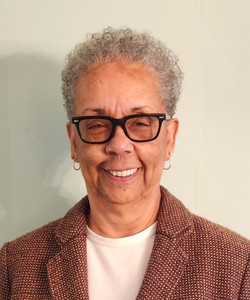
LaVella Hyter

President

Bryan Glover

Vice President

Kenton Granger

Treasurer

Jerome White, Jr.

Corresponding Secretary

Position Open

Recording Secretary

Preserving and celebrating this historic Black pioneer legacy for current and future generations.

  • Dennis Baltimore
  • Jackie Champion
  • Daniel Gilliam
  • Paula Gilliam
  • Tonja Goodloe
  • Jerry Granger
  • Teresa Granger
  • Stephanie Lloyd
  • Regina Mack
  • Jocelyn Motley
  • Vincent Newsom
  • Beverly Taylor
  • Melanie Thompson
  • Sheila Tignor
  • Carol Weaver
  • Jimmy White
  • Whitney White

Frequently Asked Questions About Roberts Settlement

Roberts Settlement is a historic African American farming community established in the 1830s by Free People of Color from North Carolina. Located in Jackson Township, Hamilton County, Indiana, it became a rare and enduring example of Black landownership, self-reliance, faith, and education during the 19th and early 20th centuries.

Hansel Roberts, Micajah Walden and Elijah Roberts were the first three heads of households to acquire land patents in Jackson Township, Hamilton County in 1835. These men purchased a total of 440 acres. By 1840, several related families, members of the Roberts, Walden, Brooks, Winburn, Newsom, and Sweat families, made land claims near the original landowners in the same township area that became known as Roberts Settlement.

The definition of free people/persons of color evolved during the course of early U.S. history. As it refers to the ancestors Roberts Settlement’s founders, free people of color were, generally speaking, the children of African or Black men (slaves) and White women (indentured servants). These children were free by virtue of the mother’s birthright. Virginia’s early slave codes adopted the principal of Partus Sequitur Ventrum, “that which is born follows the womb.” As the adult children of these “mixed” unions migrated about, they also formed families with Native Americans in Virginia and North Carolina who had resisted removal. The children of these tri-racial unions expanded the definition of who was a free person of color. NOTE – Colonial leaders and census takers generally identified free people of color as anyone who was not fully of European descent. Full-blooded Indians and others not enslaved were also categorized as free people of color.   

Officially opened in October, 2024, the Legacy Walk is interactive, self-guided tour on the chapel grounds honoring the original families and descendants of Roberts Settlement. The construction and installation were the result of a fundraising campaign, “IMAGINE! BLACK PIONEERS!” that raised more than $500,000 in donations, grants and in-kind contributions. It’s a powerful and permanent tribute to the lives, values, and contributions of those who founded and sustained this community. Visitors are invited to walk the path and reflect on the stories it represents.

Yes, Roberts Chapel was added to the National Register of Historic Places in 1996. The chapel and cemetery remain as lasting symbols of the community’s historical and cultural importance.

Absolutely. Descendants from across the U.S. return each summer for the Roberts Settlement Homecoming, a tradition that began in 1924 and continues annually. These gatherings celebrate the community’s heritage, achievements, and legacy.

Like many rural communities, Roberts Settlement experienced a decline in population and land ownership after 1900. Farm mechanization, educational opportunities, shifting economic patterns, and racial discrimination gave rise to the Settlement’s decline. Young people moved to cities like Noblesville, Indianapolis, Kokomo, St. Louis, Chicago and other places that offered better opportunities for Blacks in the early 20th century. By 1920, fewer than 25 families remained.

Yes. Visitors can explore the historic Roberts Chapel and cemetery, attend annual homecoming events, and learn more through a self-guided, interactive tour of the Legacy Walk. Guided visits and programs are available upon request. It is located just west of U.S. Highway 31, near Atlanta, Indiana. Click here to learn more about visiting Roberts Settlement.

Please visit our Family page. We are happy to help you get started on your journey! You may also want to consider a subscription to ancestry.com, FamilySeach or other on-line family search website to continue your journey and discover your families’ unique stories. We also recommend that you check with your local public library. Many public libraries have subscriptions to these family search websites that are available to their members.